




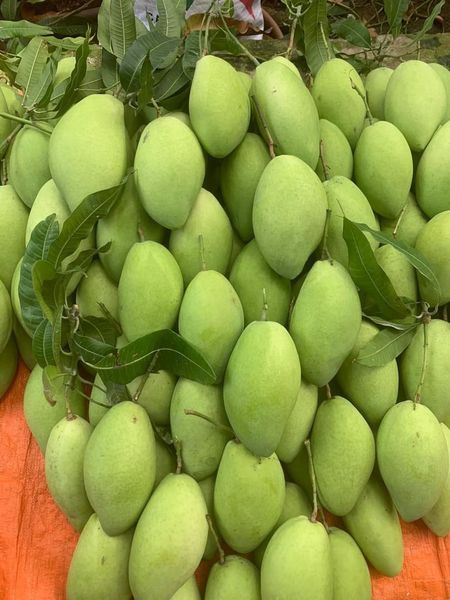
Hoa Loc sand mango is a famous mango originating from Hoa Loc commune, Giao Duc district, Dinh Tuong (now changed to Hoa Hung commune, Cai Be district, Tien Giang). However, nowadays Hoa Loc sand mango has been propagated to many localities and provinces such as the Southeast region, Tien Giang, and Cao Lanh. In each place, due to different soil conditions, the fruits have different flavors when they grow.
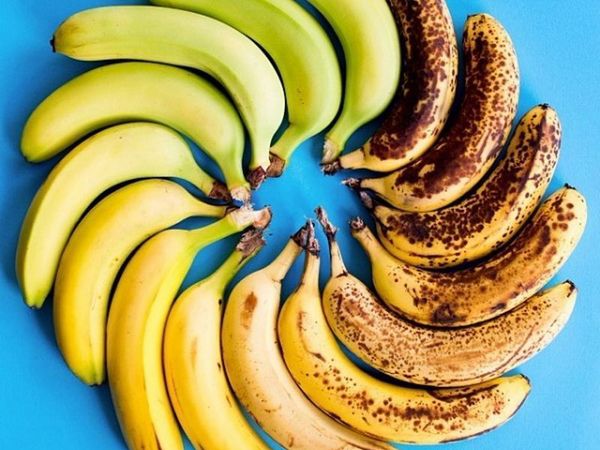
With naturally ripened fruits that become soft and overripe like mangoes and bananas, this is a natural phenomenon when fruits ripen.
To extend storage time, when the mangoes are just ripe, put them in the refrigerator's compartment to keep them longer.

Characteristics
- External shape: The fruit is elongated, rounded near the stem, the apex is pointed and the fruit waist is very clear, the skin is very thin with a white powdery layer on the outside, and when ripe, the skin is bright yellow.
- Fruit flesh: High firmness, smooth, chewy, low fiber.
- Flavor: Very sweet, characteristic mild fragrance (Brix 17 - 19%).
- Average weight: 450 - 600g/fruit.
- Season:
+ Main season: From March to May of the solar calendar.
+ Off-season: From October to December of the solar calendar.
Nutritional value
In 100g of ripe mango flesh, it contains water (86.5g); glucid (15.9g); protein (0.6g); lipid (0.3g); minerals: Ca (10mg), P (15mg), Fe (0.3mg); Vitamins A (1880 micrograms), B1 (0.06mg), C (36mg); provides (62 Kcal), meeting 78% of the daily vitamin A requirement, very good for children's development, skin, and vision. High Vitamin C content, along with pectin and fiber found in mangoes, helps reduce serum cholesterol levels, especially improving dyslipidemia. Mangoes contain high potassium levels which can also help lower high blood pressure.
(Source: dinh duong.com.vn)